Hiring for Basement Work in Ann Arbor: Michigan Licenses, City Permits and Disclosure
Michigan licenses residential contractors by trade, Ann Arbor has its own permit requirements, and the state's seller disclosure form asks directly about basements. This page sums up what each official source says. It is general information, not legal advice.
Michigan requires a residential builder or maintenance and alteration license for paid repair work on a house unless the whole project is under $600 (MCL 339.2403). Basement waterproofing is a named M&A trade, and Ann Arbor requires a grading permit for it.
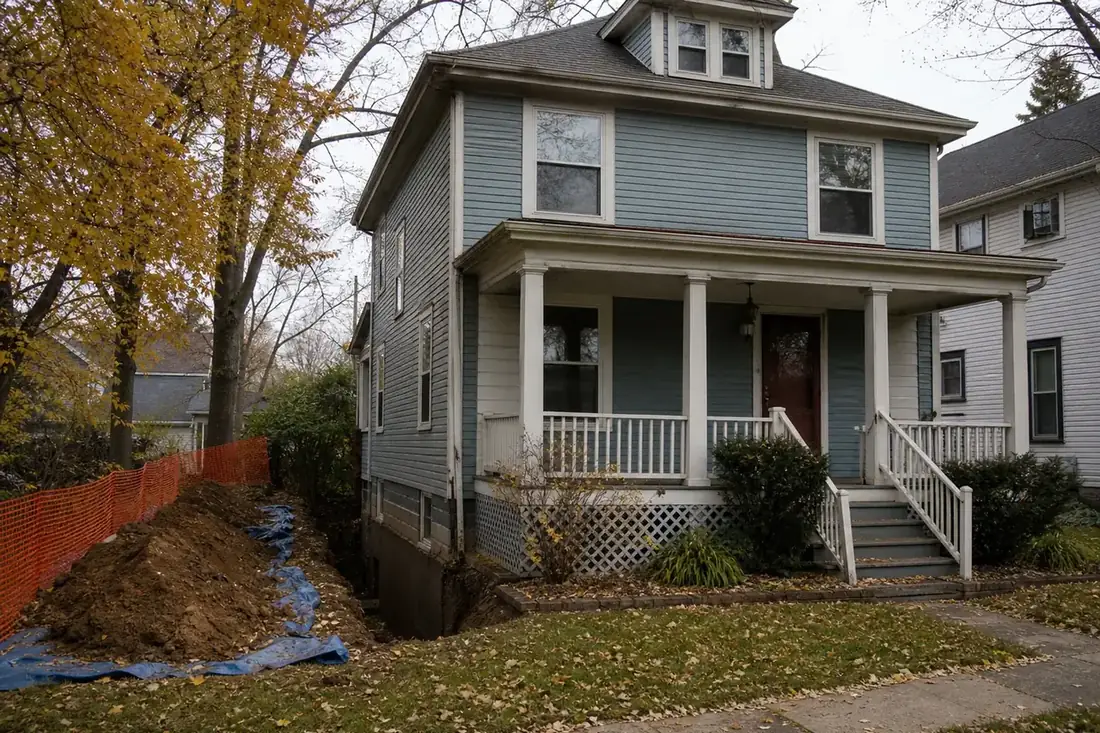
Who needs a Michigan license?
Under MCL 339.2401, anyone who is paid to repair, alter or improve a one- or two-family home is a residential builder or a residential maintenance and alteration contractor, both licensed by LARA. MCL 339.2403 exempts a project whose total price for labor and materials is under $600, unless it is part of a larger job or split up to avoid the law, and owners working on their own home. The M&A trades include carpentry, concrete, excavation, masonry and basement waterproofing, and a contractor may only work in the trades listed on the license.
Ann Arbor permits
Inside the city, the Building and Construction Services fee schedule (revised October 2024) charges basement waterproofing the same as a building permit and requires a grading plan review and grading permit. Permits go through the city's online STREAM portal; a licensed builder registers the license in the city's portal, and a homeowner permit is only for an owner-occupied home. Exterior work in a historic district needs approval before a permit application, and plumbing and electrical work need their own permits. Townships around the city may run their own building departments.
Footing depth
Michigan's amendment to the residential code requires exterior footings and foundation systems to extend 42 inches below actual grade, and lets the building official change that depth on evidence about frost, soil type, groundwater, snow, exposure or other conditions. Older homes may have been built to different rules, which matters when a stoop, porch or addition starts to move.
Selling after basement or foundation work
Michigan's seller disclosure form, set out in MCL 565.957, asks whether there has been evidence of water in the basement or crawl space, about the sump pump, about settling, flooding, drainage, structural or grading problems, and whether structural repairs were made without necessary permits or licensed contractors. Keep the contract, permit and warranty from any repair. Prices are on the Ann Arbor foundation repair cost page.
Tell the specialist what the basement is doing
A wall crack that is getting longer, water along the floor after a thaw, a sump that runs all the time: a couple of sentences will do. Your note goes to one independent foundation and waterproofing specialist who works around Ann Arbor.